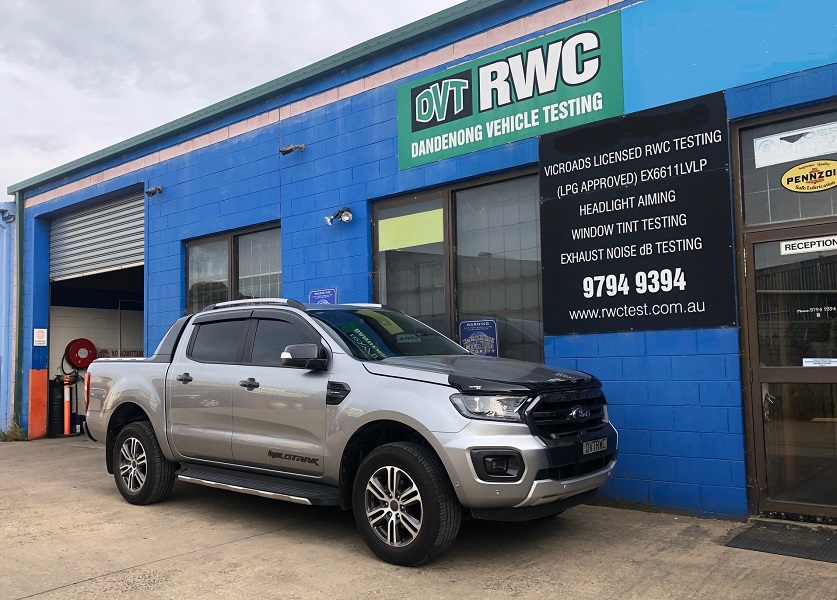
* Vic Roads Licensed Tester No. EX6611LV

* Licensed to test LPG powered Vehicles

* Proudly inspecting vehicles since 1989.

DVT excells in the field of vehicle safety and has a excellent reputation for performing a high standard of un-biased Roadworthiness testing.
 

The Roadworthiness Certificate (HOME)

Light Vehicle Registration

Buying and Selling a Vehicle

Download Forms

LINKS

(C) 2007 VCM Enterprises Pty Ltd


     Dandenong Vehicle Testing

     Factory 5, No. 52 Bennet Street

     DANDENONG VIC 3175

     Ph 9794-9394


Who issues certificates?

 In Victoria a Certificate of Roadworthiness is generally required when a vehicle is sold or if a used vehicle is to be re-registered. This helps minimise the number of poorly maintained vehicles on the road. In some cases a Certificate of Roadworthiness is also required to clear a Vehicle Defect Notice or a Notice of Unroadworthiness
A Certificate of Roadworthiness can only be issued by a licensed vehicle tester, operating from a nominated garage or service station.

When can a certificate be issued?
The vehicle must pass a roadworthiness inspection, then a certificate is issued.

What is inspected?
The inspection is a check of the vehicle to ensure that key components have not worn or deteriorated and that the vehicle is safe for normal road use.

A roadworthy inspection only covers the major safety related items, including:

    wheels and tyres

  • steering, suspension and braking systems

  • seats and seat belts

  • lamps and reflectors

  • windscreen, and windows including front windscreen wipers and washers

  • the structure of the vehicle itself

  • other safety related items on the body, chassis or engine.


The roadworthiness test is not a check of the mechanical reliability or general condition of the vehicle. If you require a comprehensive check on the overall condition and reliability of the vehicle then you should arrange for a separate independent report such as those offered by the RACV or VACC.

The certificate does not mean:

That the vehicle is in top condition without any wear or deterioration

  • non-safety related accessories such as the air conditioner, rear window demister, electric windows and rear-window wipers are working

  • that the items checked during the roadworthy inspection will continue to function after the inspection eg. a brake light can stop functioning at any time after the inspection.

What if the vehicle fails the test?
If an item fails to meet the standard, the tester will issue a rejection report. You will be given seven days to repair the item/s rejected and return the vehicle to the tester for a second inspection of the failed items. If more than seven days elapse a complete inspection must again be carried out on the vehicle.

How much does the test cost?
The cost of obtaining a Certificate of Roadworthiness is not fixed. It may depend on the age, type and condition of the vehicle being examined. You can ask for a quote from the licensed vehicle tester.

How long does a certificate last?
A Certificate of Roadworthiness is current, for the purposes of a transaction, for 30 days from the date of issue.

What about the Australian Design Rules?
The roadworthiness test is not a complete assessment of a vehicle's compliance with the Standards for Registration, which, in most cases, are the Australian Design Rules (ADRs). The ADRs are a set of minimum standards for the construction of motor vehicles and trailers. In most cases compliance with these standards cannot be assessed by inspection alone.


                 More Information

Contact VicRoads Roadworthiness Section on 1800 816 727.